

What Is a Mailer Box? A Complete Guide for Ecommerce Brands
Table of Contents
- What Is a Mailer Box?
- How Mailer Boxes Are Built
- Why Ecommerce Brands Use Mailer Boxes
- Materials
- Types and Closure Styles
- Best Products
- Sizes
- Printing and Finishing
- Cost
- Mailer Boxes vs Shipping Boxes vs Product Boxes
- Mistakes
- Sustainability
- FAQ
Quick Take
A mailer box is a self-locking corrugated packaging box designed to ship ecommerce orders without needing a separate outer carton. It protects products in transit, gives brands a clean unboxing experience, and can be custom printed inside, outside, or both for a more memorable delivery.
What Is a Mailer Box?
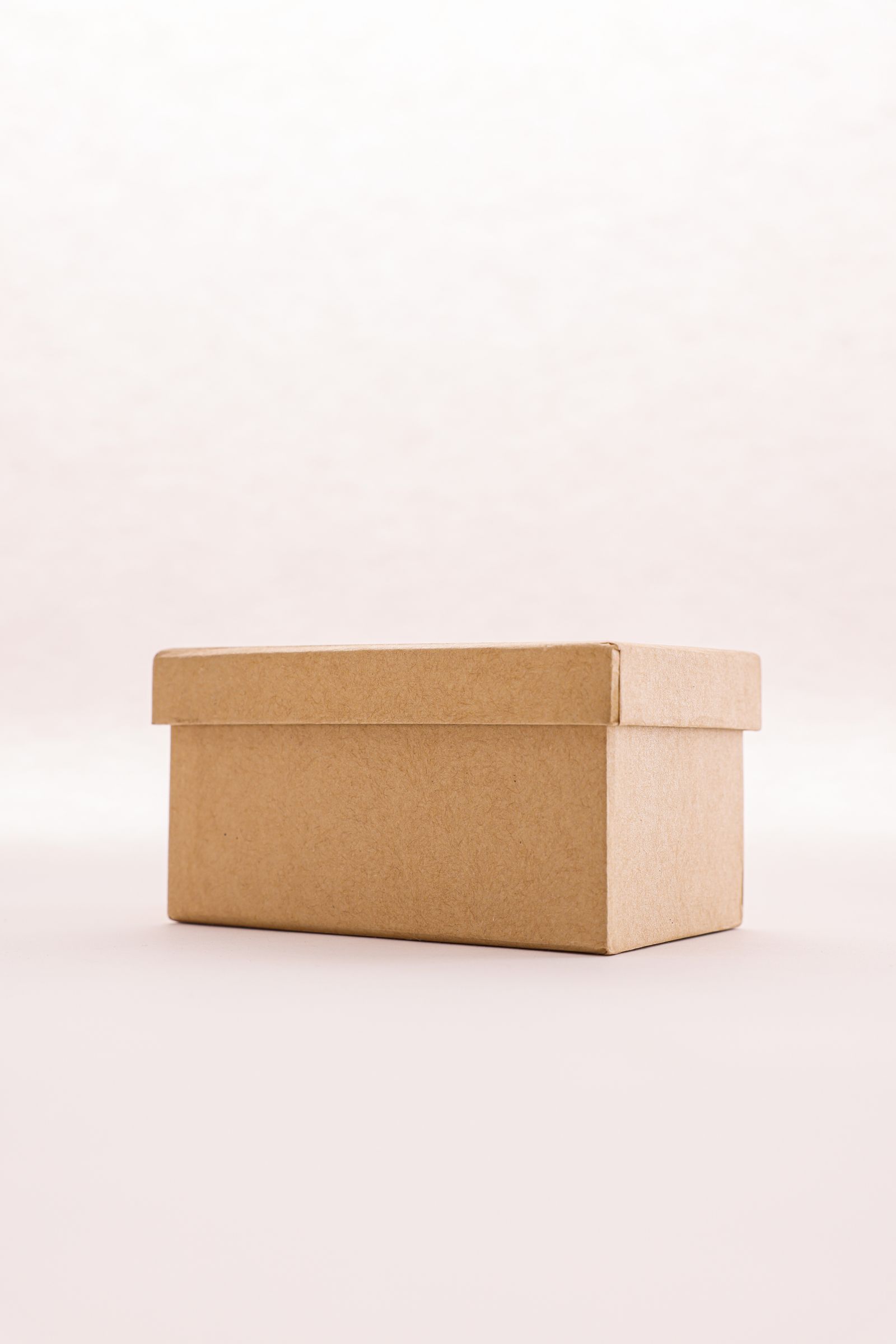
A mailer box is a foldable corrugated box with built-in flaps, tabs, and locking panels that hold the package closed during shipping. Unlike a regular product box, a mailer box is designed to survive the courier journey from warehouse to customer while still looking polished when it arrives.
Most ecommerce mailer boxes are made from E-flute, B-flute, or other corrugated paperboard. The material has a fluted inner layer between liner sheets, which creates cushioning and crush resistance without making the box overly heavy. This is why mailer boxes are common for direct-to-consumer brands, subscription boxes, influencer kits, PR packages, and small retail shipments.
The main idea is simple: one box can act as protection, presentation, and brand touchpoint. A skincare brand can ship a serum set in a custom printed mailer. A candle brand can add inserts to hold glass jars in place. A clothing brand can use a kraft mailer box with tissue paper for a more premium alternative to a poly mailer.
For brands comparing packaging options, the key question is not only “what is a mailer box?” but whether it fits the product’s weight, fragility, dimensions, shipping method, and customer experience goals. A mailer box is excellent for many ecommerce orders, but it still needs the right board grade, insert design, and closure style to perform well.
How Mailer Boxes Are Built
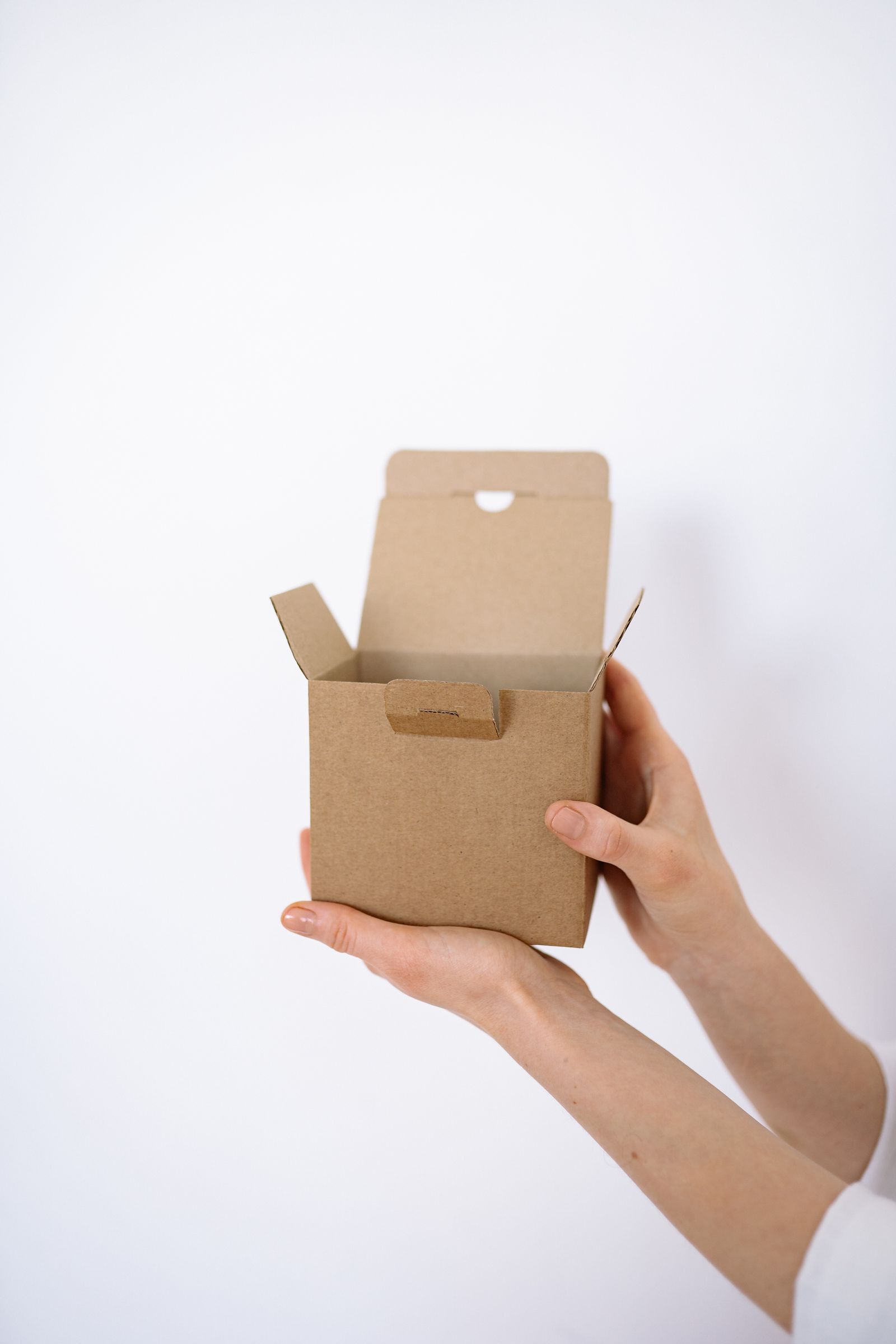
Mailer boxes are usually shipped flat and assembled by folding along scored lines. A standard mailer design includes a bottom panel, side walls, dust flaps, a front locking panel, and a top lid. When folded correctly, the structure creates a rigid rectangular package without tape, glue, or staples.
The most common construction is a roll-end front tuck, often shortened to RETT or roll-end tuck top. “Roll-end” means the side panels roll into place to form double-layer side walls. “Front tuck” means the lid tucks into the front panel. This makes the box stronger along the edges, which is where packages often take the most impact.
| Part of Mailer Box | What It Does | Why It Matters |
|---|---|---|
| Corrugated board | Creates the main protective structure | Controls strength, weight, print result, and shipping durability |
| Score lines | Guide the folds during assembly | Keep edges crisp and reduce packing mistakes |
| Dust flaps | Close small gaps on the sides | Help keep products secure and improve presentation |
| Locking tabs | Hold the lid in place | Reduce the need for tape on lighter shipments |
| Double side walls | Add reinforcement along the sides | Improve stacking strength and edge protection |
Mailer boxes are created from a dieline, which is the flat technical layout used for cutting, scoring, and printing. The dieline must account for the product’s interior space, board thickness, folding tolerances, and locking mechanism. Even a small size error can cause a box to bow, pop open, or leave too much empty space inside.
For ecommerce brands, the practical build details matter. A box that looks beautiful in a mockup but takes too long to fold can slow down fulfillment. A lid that feels tight in a sample may be difficult to close during peak order volume. When Dylign develops custom mailer packaging, sampling is often used to confirm both the look and the packing workflow before production.
Why Ecommerce Brands Use Mailer Boxes
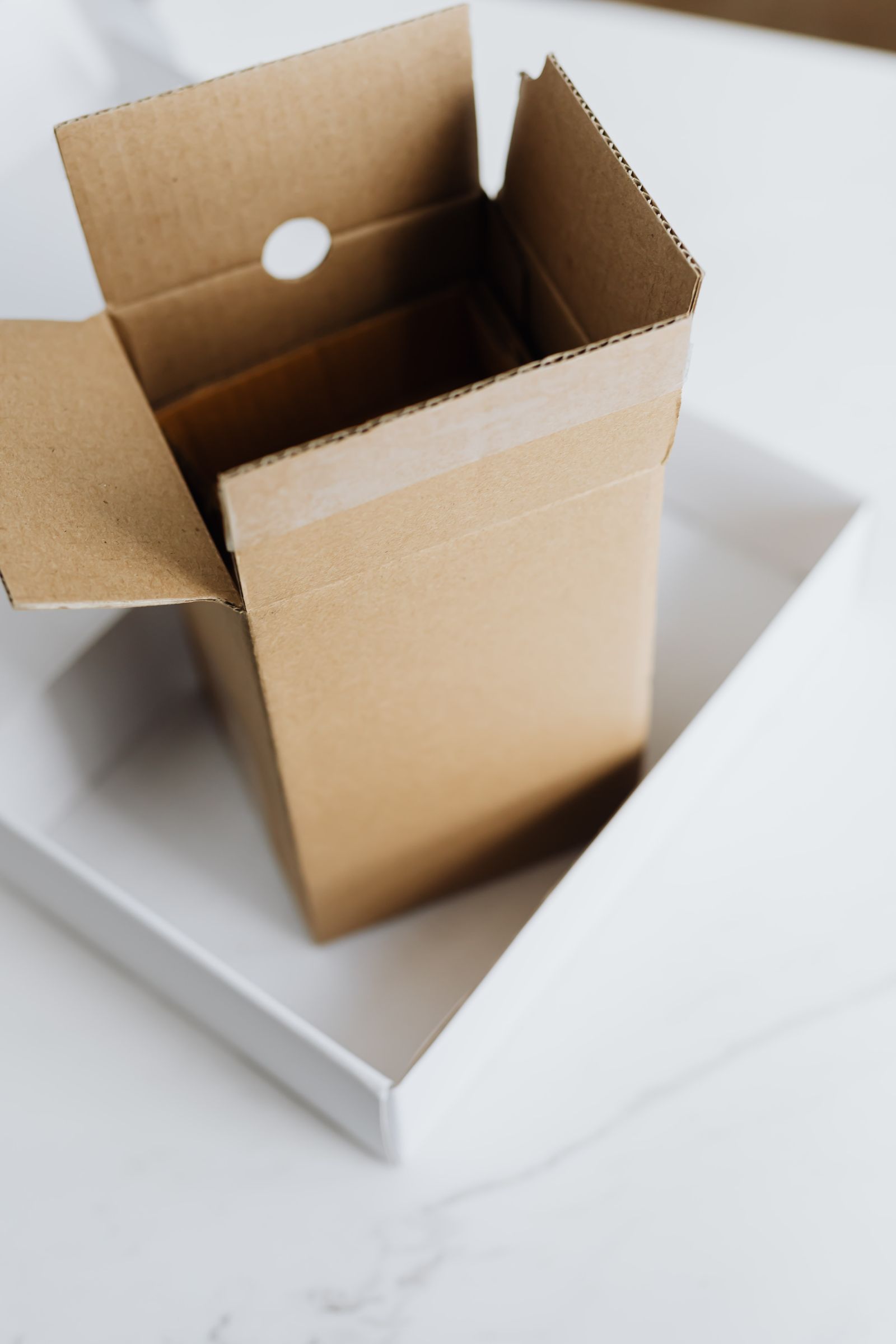
Ecommerce brands use mailer boxes because they combine shipping protection with branded presentation. A plain shipping carton can get the order to the customer, but a custom mailer box turns the delivery into part of the product experience.
That matters because the package is often the first physical interaction a customer has with an online brand. Before the customer sees the product, they see the box. A clean, well-fitted mailer can signal quality, care, and consistency. A crushed, oversized, or generic package can do the opposite.
Mailer boxes also help with operational efficiency. Since most designs ship flat, they use less storage space than pre-assembled rigid packaging. They can be folded at the packing station, filled, closed, labeled, and shipped quickly. For small-to-mid-sized ecommerce teams, that balance of brand value and practical handling is a major reason mailer boxes are so popular.
| Benefit | How It Helps Ecommerce Brands | Example |
|---|---|---|
| Protection | Corrugated board cushions and resists compression | A skincare set arrives without crushed cartons |
| Branding | Exterior and interior panels can be printed | A subscription box reveals a message when opened |
| Storage efficiency | Boxes ship and store flat before use | A warehouse keeps thousands of units in compact stacks |
| Unboxing | The opening sequence feels more intentional than a plain carton | A jewelry brand adds tissue, inserts, and a thank-you card |
| Lower packing complexity | Self-locking designs can reduce tape on many orders | A T-shirt brand folds, fills, closes, and labels quickly |
Mailer boxes are especially useful when a brand wants packaging that is not overly luxurious but still feels designed. They sit between everyday shipping cartons and high-end rigid boxes: more polished than a plain box, more economical and fulfillment-friendly than rigid gift packaging.
Materials
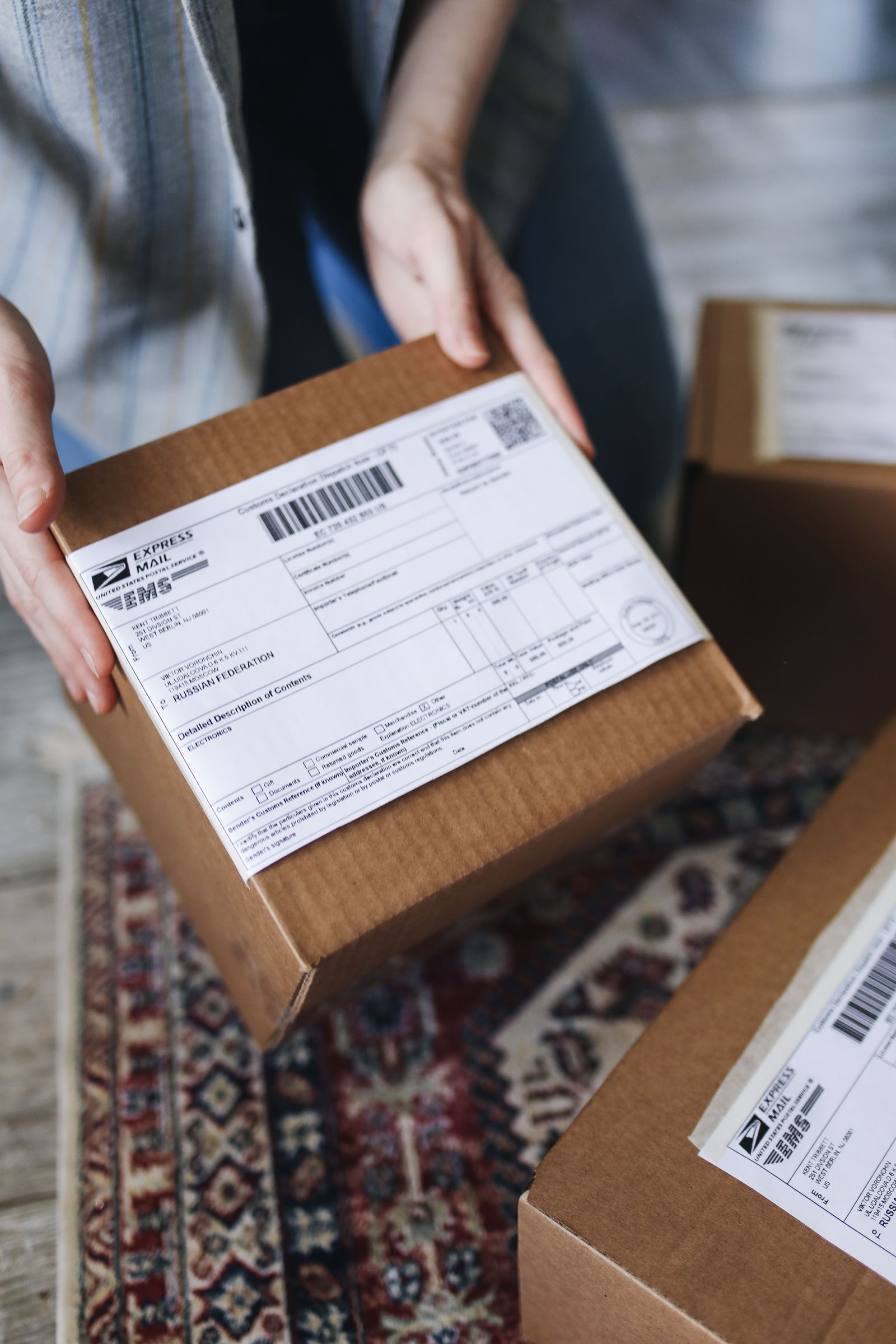
Most mailer boxes are made from corrugated paperboard. The exact material affects strength, print quality, cost, sustainability claims, and how the package feels in the customer’s hands. The two decisions brands usually make first are flute type and liner type.
Flute refers to the wavy paper layer inside corrugated board. Smaller flutes create a smoother print surface and a slimmer profile. Larger flutes offer more cushioning and stacking strength. For ecommerce mailer boxes, E-flute is one of the most common choices because it offers a good balance of rigidity, printability, and compact thickness.
| Material Option | Typical Use | Notes |
|---|---|---|
| E-flute corrugated | Cosmetics, apparel, accessories, subscription boxes | Smooth enough for quality printing and strong enough for many small parcels |
| B-flute corrugated | Heavier ecommerce products or larger mailers | More cushioning and thickness, but less refined print surface |
| Kraft liner | Natural, eco-conscious, minimalist brands | Brown surface gives an organic look; colors print more muted |
| White liner | Full-color branded mailer boxes | Better for bright colors, gradients, photography, and clean graphics |
| Recycled corrugated board | Sustainable packaging programs | Content percentage and certification should be confirmed with supplier |
Brands often choose kraft for a natural, understated identity and white corrugated for sharper visual branding. Neither is automatically better. Kraft can look premium when paired with black ink, debossed-style graphics, or simple line art. White board is better when the design uses color accuracy, product photography, or a clean retail look.
For fragile products, the material choice should be paired with inserts or cushioning. A mailer box alone is not a magic solution for glass, ceramics, electronics, or heavy items. The box and internal support system should be designed together.
Types and Closure Styles
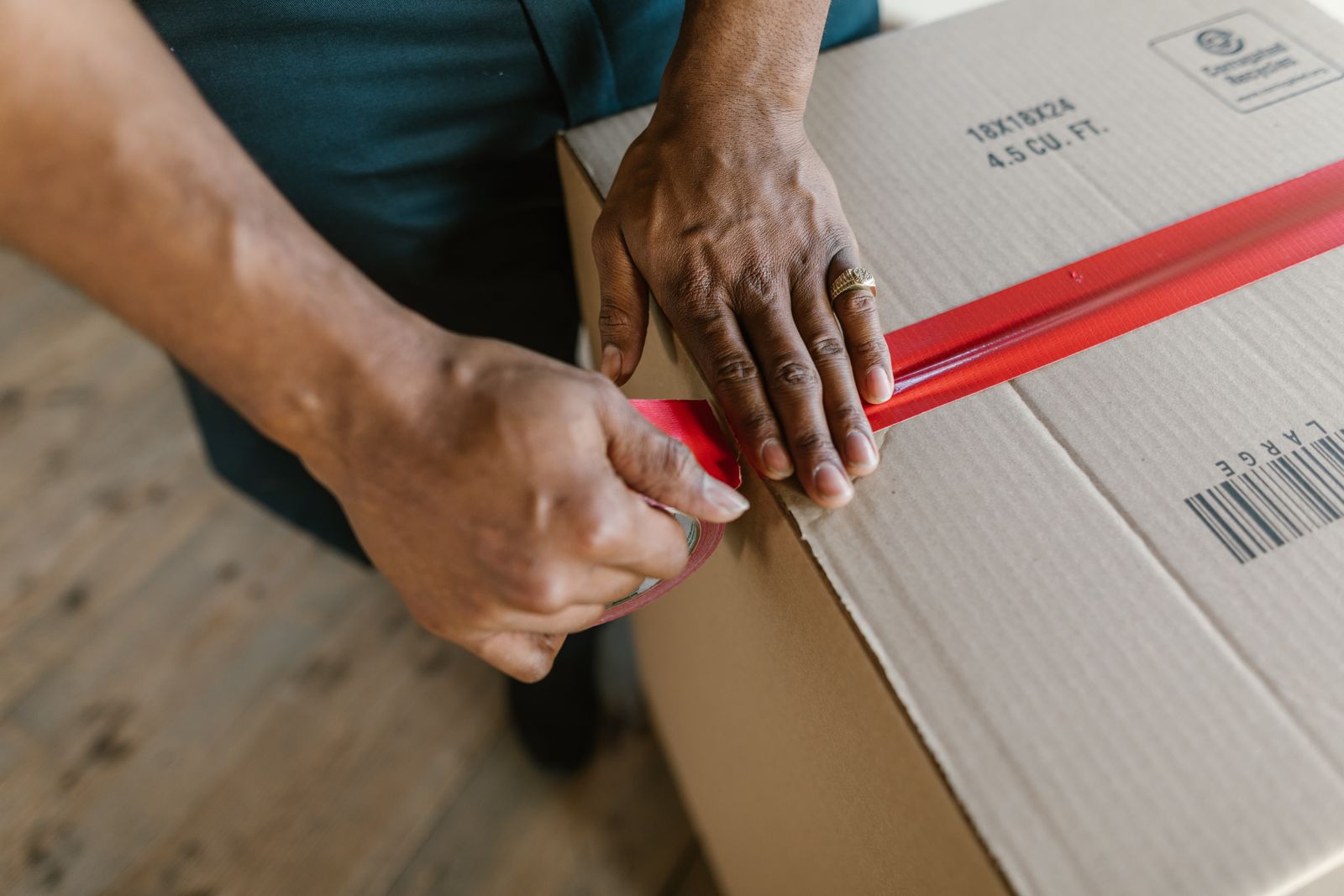
Mailer boxes come in several structure and closure styles. The right choice depends on product weight, desired unboxing experience, fulfillment speed, and whether the package needs extra tamper resistance.
The most familiar style is the roll-end tuck front mailer. It folds into a sturdy rectangular form with a lid that tucks into the front wall. For many ecommerce products, this is the default because it is reliable, familiar to packers, and easy for customers to open.
| Mailer Box Type | Best For | Closure Style |
|---|---|---|
| Roll-end front tuck | General ecommerce, apparel, beauty, gifts | Lid tucks into front panel |
| Roll-end lock front | Heavier products needing stronger closure | Locking tabs secure the front |
| Tab-lock mailer | Subscription boxes and kits | Tabs hold lid closed during shipment |
| Mailer with tear strip | Higher-volume ecommerce and returns | Adhesive seal plus tear-open strip |
| Bookfold mailer | Books, prints, flat products | Wraps around flat items with scored depth |
Adhesive strips and tear strips can improve security and customer convenience. An adhesive strip helps close the package without tape, while a tear strip gives customers an obvious opening path. Some return-friendly designs include a second adhesive strip so the customer can reuse the same mailer for returns.
If the box will ship through a carrier network without an outer carton, closure strength is important. Lightweight products may be fine with a standard tuck closure. Heavier or high-value products may need locking tabs, adhesive, or a branded security seal.
Best Products
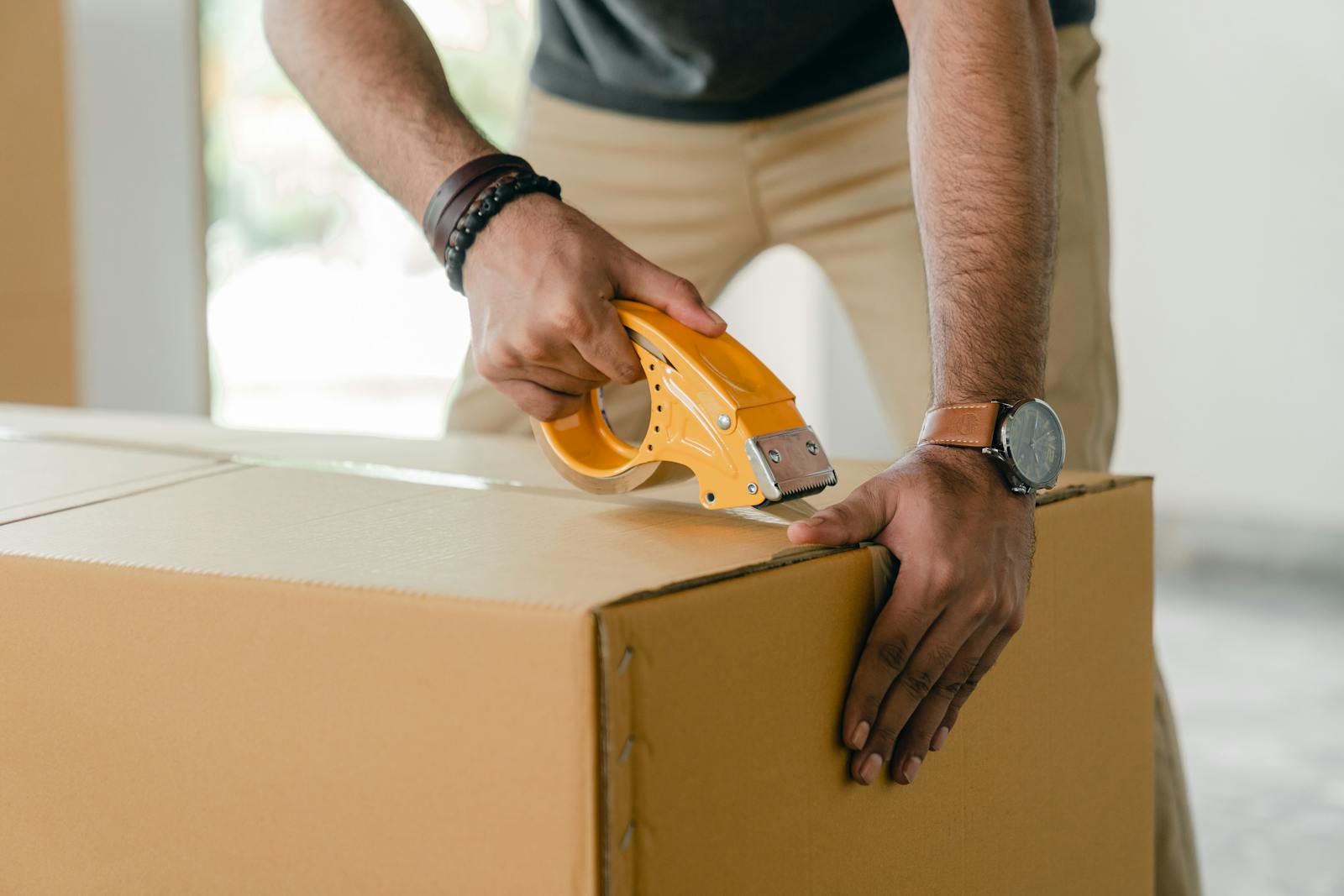
Mailer boxes work best for products that are relatively compact, not excessively heavy, and benefit from a branded unboxing experience. They are especially common for ecommerce categories where presentation influences repeat purchase and social sharing.
| Product Category | Why Mailer Boxes Work | Packaging Tip |
|---|---|---|
| Apparel | Soft goods are lightweight and easy to fit | Use tissue paper or a paper belly band to improve presentation |
| Beauty and skincare | Small products benefit from premium unboxing | Add inserts to prevent bottles and cartons from shifting |
| Jewelry and accessories | Small items need a more substantial delivery experience | Use inner pouches, cards, or foam-free paper inserts |
| Subscription boxes | The box itself becomes part of the recurring brand moment | Print seasonal interior artwork or a welcome message |
| Candles and home goods | Rigid corrugated structure helps protect retail packaging | Test glass items with inserts and drop standards |
| PR and influencer kits | Large printable panels support storytelling | Use inside printing for campaign messaging |
Mailer boxes are less ideal for very heavy, oversized, sharp-edged, or highly fragile products unless they are engineered with stronger board and custom inserts. For example, a single T-shirt can ship comfortably in a slim mailer box, but a set of glass jars may require dividers, corner protection, and transit testing.
A good way to decide is to ask: does the customer need to receive this as a branded experience, and can the package protect the product without excessive void fill? If the answer is yes, a mailer box is often a strong packaging choice.
Sizes
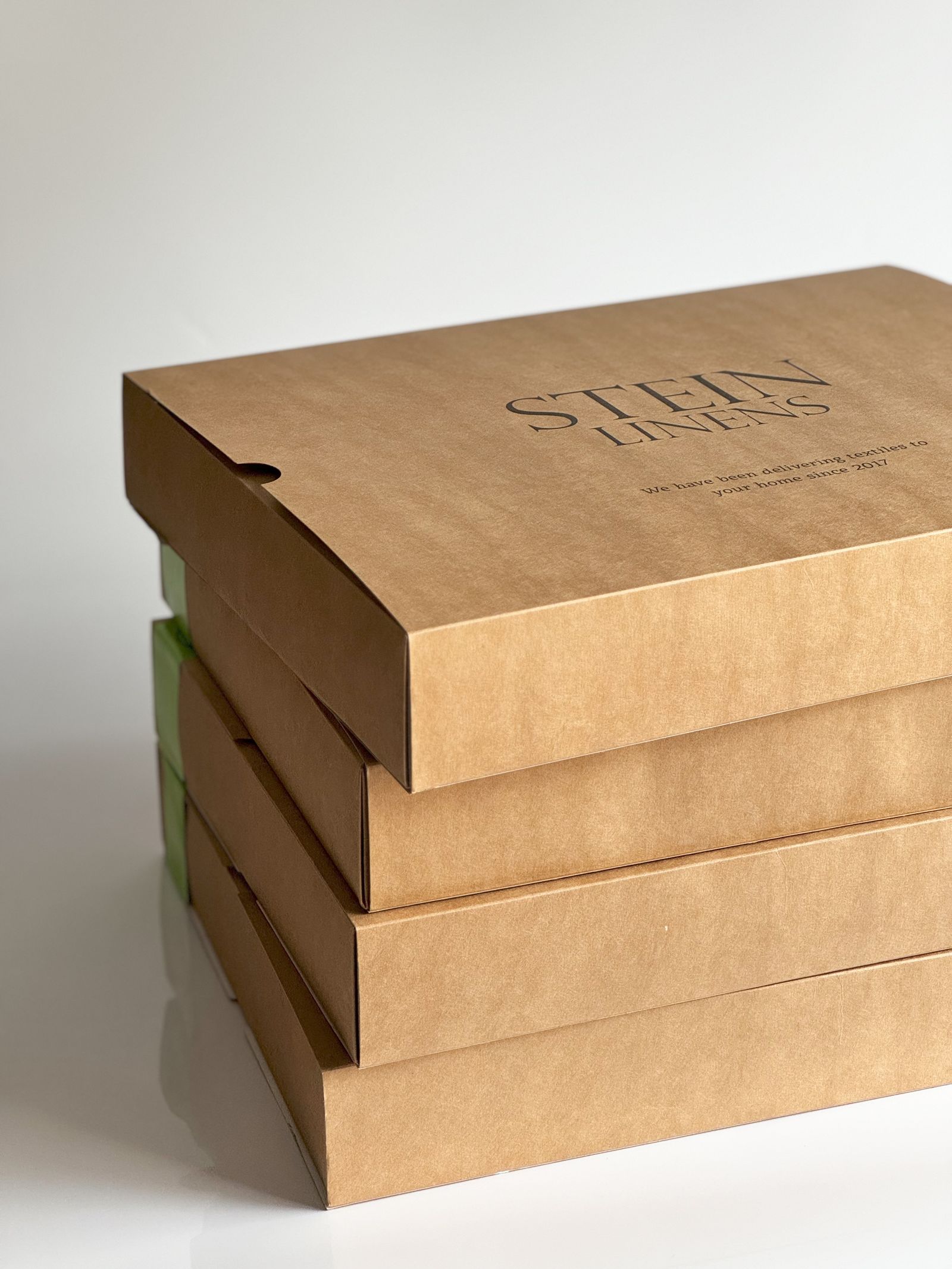
Mailer box size affects product protection, shipping cost, storage, packing speed, and customer perception. Oversized boxes waste material and can increase dimensional weight charges. Undersized boxes can crush products, bow at the sides, or make fulfillment frustrating.
In the US, box dimensions are usually listed as length x width x height in inches. For mailer boxes, those dimensions normally refer to the internal usable space, not the flat dieline or exterior measurement. This distinction matters because corrugated board thickness reduces the interior area.
| Common Mailer Box Size | Typical Products | Notes |
|---|---|---|
| 6 x 4 x 2 in | Jewelry, small cosmetics, accessories | Good for compact products and low shipping weight |
| 8 x 6 x 3 in | Skincare sets, small apparel, candles | Flexible size for many DTC orders |
| 9 x 6 x 4 in | Subscription kits, folded garments, gift sets | More depth for inserts and multiple items |
| 10 x 8 x 4 in | Medium apparel orders, home goods, PR boxes | Large enough for a more dramatic unboxing |
| 12 x 10 x 4 in | Larger kits, bundles, influencer packages | Check dimensional weight before scaling |
To size a mailer box, measure the product or product bundle first. Then add room for inserts, tissue, protective wrap, literature cards, and packing tolerance. For snug product boxes, an extra 0.125 to 0.25 inch per side may be enough. For fragile items with cushioning, more clearance may be needed.
Brands should also consider how the order mix changes over time. If most customers buy one item, a small mailer may be best. If bundles are common, a slightly larger size can reduce the need for multiple packaging SKUs. Many brands use two or three mailer sizes to cover their most common order profiles.
Printing and Finishing
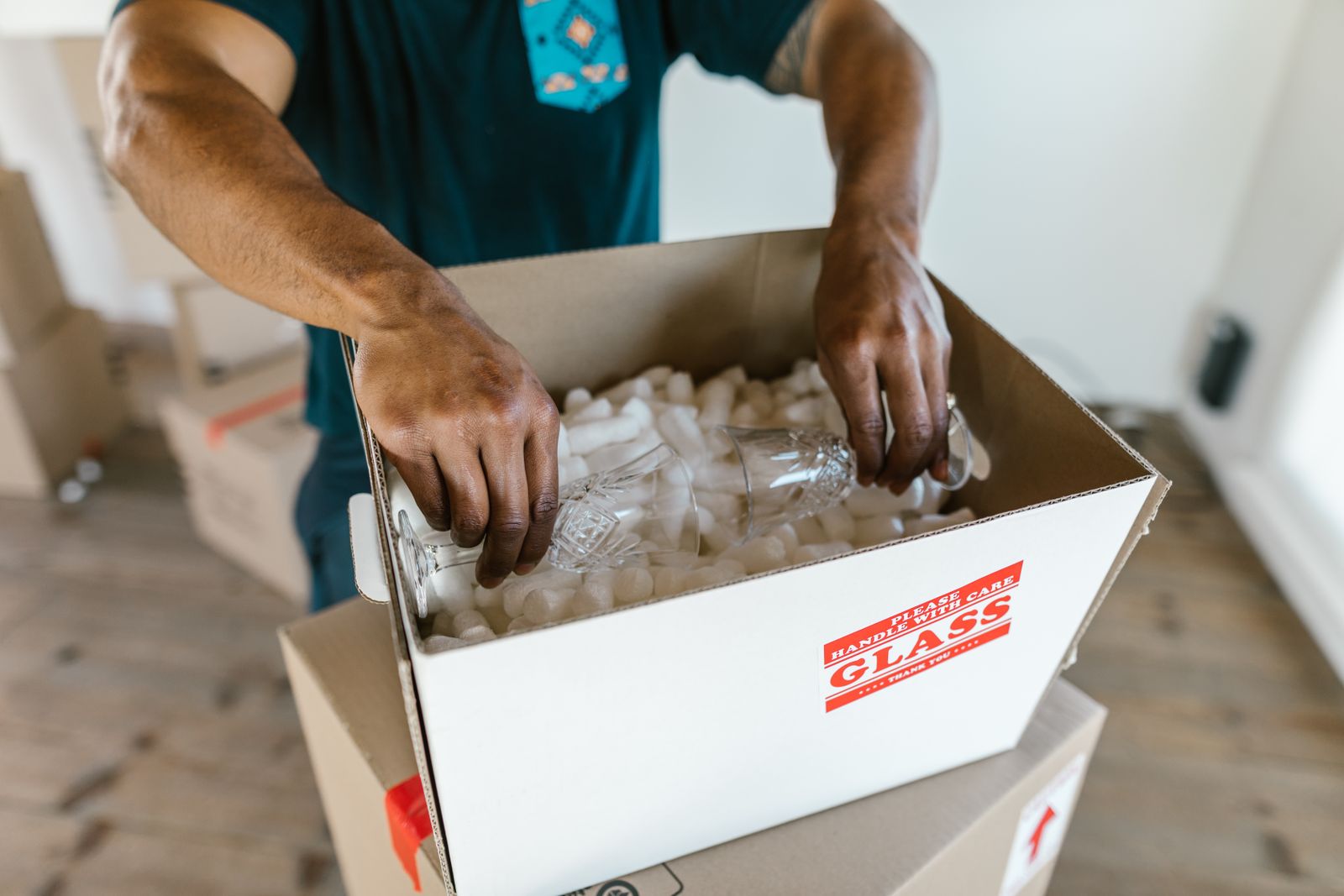
Custom printing turns a mailer box from a shipping container into a brand asset. The most common print areas are the outside lid, front panel, side panels, and interior lid. Interior printing is especially effective because customers see it at the moment of opening.
For lower quantities or faster launches, digital printing can be a practical option. It allows full-color artwork without the same plate setup as traditional methods. For larger runs, offset or flexographic printing may be more cost-effective depending on artwork, material, and order quantity.
| Print or Finish | Best Use | Consideration |
|---|---|---|
| One-color print | Minimal kraft mailers, logo-only packaging | Cost-effective and clean |
| Full-color print | Bold ecommerce branding and campaign artwork | Works best on white liner for color accuracy |
| Inside printing | Unboxing messages, instructions, brand story | Adds impact without making the outside too busy |
| Matte coating | Premium, soft visual finish | Can reduce glare and create a refined feel |
| Gloss coating | Bright colors and high contrast artwork | Can show scuffs more depending on handling |
| Foil or spot effects | Premium campaigns and gift packaging | Best used selectively to control cost |
Keep shipping realities in mind when designing the exterior. Mailer boxes may receive labels, scuffs, conveyor contact, and handling marks. Important artwork should not sit where a carrier label will cover it. High-contrast designs can look excellent, but they should be tested for rub resistance and readability after transit.
Good mailer box artwork also respects the dieline. Panels fold in different directions, so a design that looks aligned on screen may be confusing if the orientation is wrong. Before production, review a 3D mockup or physical sample to confirm panel direction, barcode placement, opening sequence, and customer-facing messages.
Dylign can help translate brand artwork into production-ready packaging dielines, including print placement, finish selection, and structure recommendations for ecommerce shipping.
Cost
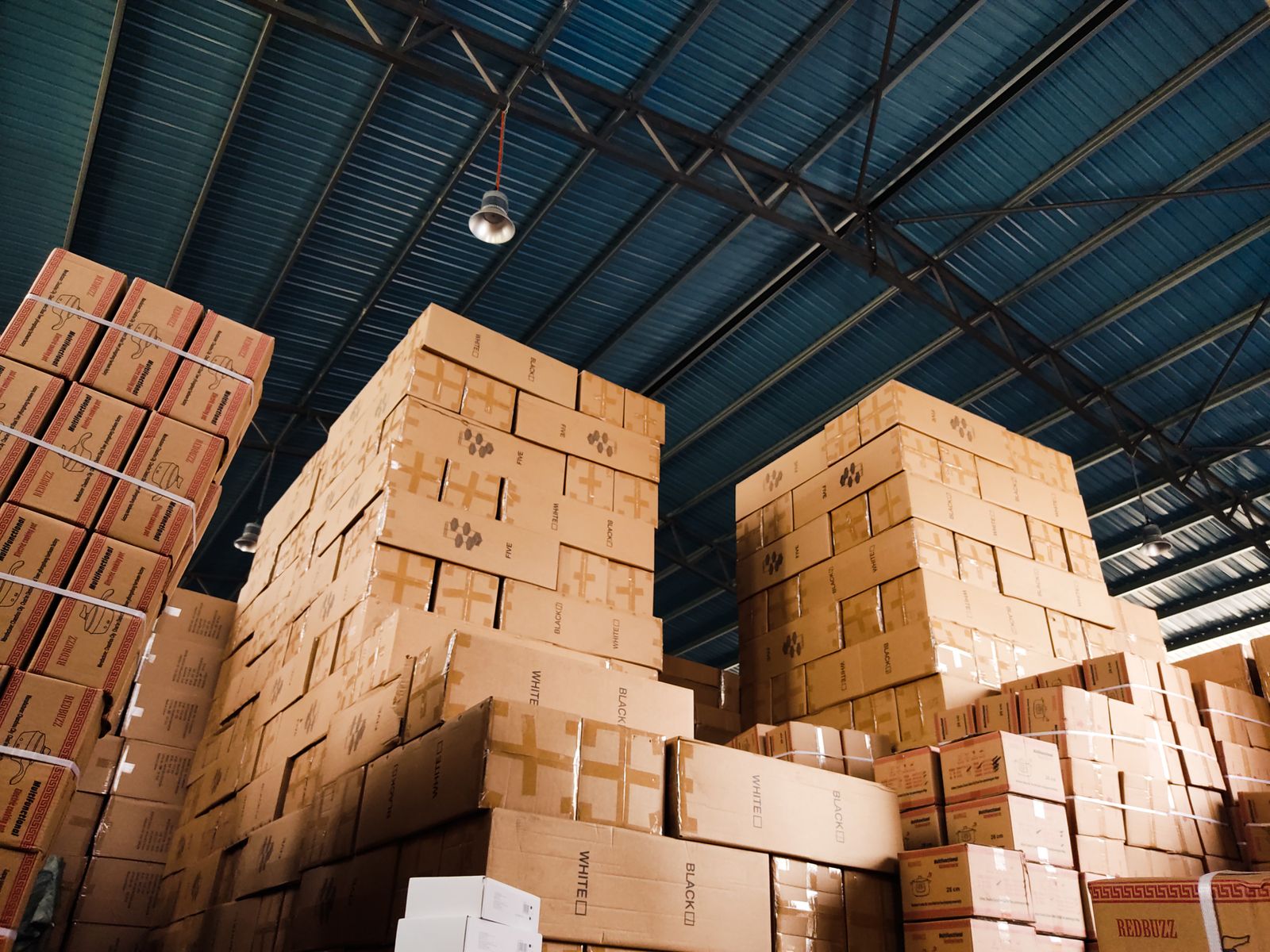
The cost of a mailer box depends on size, board grade, print coverage, quantity, finish, structural complexity, and shipping location. A small kraft mailer with one-color printing will usually cost much less than a large full-color mailer with inside printing, inserts, and specialty finishes.
Quantity is one of the biggest cost drivers. Higher order volumes spread setup and production costs across more units, reducing the per-box price. Smaller runs are useful for testing and launches, but the unit cost will typically be higher.
| Cost Factor | Lower-Cost Choice | Higher-Cost Choice |
|---|---|---|
| Size | Compact box fitted to product | Oversized box with more board usage |
| Material | Standard E-flute kraft or white corrugated | Specialty board, heavier grades, premium liners |
| Printing | One-color exterior logo | Full-color inside and outside print |
| Finish | No coating or standard coating | Foil, spot UV, embossing-style effects |
| Structure | Standard roll-end tuck mailer | Custom inserts, tear strips, specialty locks |
| Quantity | Higher production run | Short run or frequent small reorders |
Brands should evaluate total packaging cost, not only unit price. A slightly more expensive mailer may reduce damaged shipments, speed up packing, lower void-fill usage, or improve customer retention. On the other hand, overbuilding a box with unnecessary finishes can reduce margin without improving the customer experience.
A practical approach is to define three targets before quoting: the product weight and size, the desired unboxing level, and the order quantity. With those inputs, a packaging partner can recommend a structure that balances protection, brand value, and budget.
Mailer Boxes vs Shipping Boxes vs Product Boxes
Mailer boxes, shipping boxes, and product boxes are often confused, but they serve different roles. A mailer box is usually an ecommerce-ready package that can ship directly. A shipping box is a more general outer carton used for logistics. A product box is the retail or primary packaging that holds the item itself.
| Packaging Type | Main Purpose | Typical Material | Best Use |
|---|---|---|---|
| Mailer box | Ship and present ecommerce orders | Corrugated paperboard | DTC orders, subscription boxes, giftable shipments |
| Shipping box | Protect goods during transport or bulk shipping | Corrugated cardboard | Warehouse shipments, larger parcels, B2B logistics |
| Product box | Hold and display the product | Folding carton, rigid board, corrugated, or specialty paper | Retail shelves, inner packaging, cosmetics, electronics |
A product box may go inside a mailer box. For example, a fragrance bottle might sit in a printed folding carton, which then ships inside a branded corrugated mailer with protective inserts. In that case, the product box handles retail presentation while the mailer handles ecommerce delivery.
A shipping box is often more utilitarian. It may be brown, taped closed, and sized for warehouse efficiency rather than unboxing. Shipping boxes are excellent for larger, heavier, or multi-unit shipments, but they do not always deliver the same brand impression as a custom mailer.
The right choice depends on the customer journey. If the package is going directly to a consumer and the arrival moment matters, a mailer box is often worth considering. If the package is moving bulk inventory between facilities, a standard shipping carton may be more appropriate.
Mistakes
The most common mailer box mistakes happen when brands focus only on appearance and not enough on structure, fulfillment, and transit. A beautiful box still has to close securely, protect the product, and move through real shipping networks.
| Mistake | What Can Go Wrong | How to Avoid It |
|---|---|---|
| Choosing the wrong size | Products shift, boxes crush, shipping costs rise | Measure the full packed product, including inserts and cushioning |
| Ignoring board strength | Edges dent or lid collapses in transit | Match flute and board grade to product weight and carrier conditions |
| Overprinting the shipping label area | Important artwork gets covered | Reserve a clear label zone in the design |
| Skipping physical samples | Folds, colors, or closure may not perform as expected | Review a sample before a full production run |
| Using too much empty space | Higher dimensional weight and weaker presentation | Right-size the box or use inserts to hold products in place |
| Forgetting fulfillment workflow | Packing takes too long during busy periods | Test assembly time with the team that will pack orders |
Another mistake is treating all ecommerce orders the same. A subscription kit, a fragile candle, and a folded hoodie may all use mailer boxes, but they should not necessarily use the same structure. The best mailer is designed around the actual product, not just the brand colors.
Transit testing is also important for fragile or premium products. Drop tests, compression checks, and sample shipments can reveal problems before customers do. Even a small adjustment, such as adding a paper insert or increasing board strength, can reduce damage rates significantly.
Sustainability
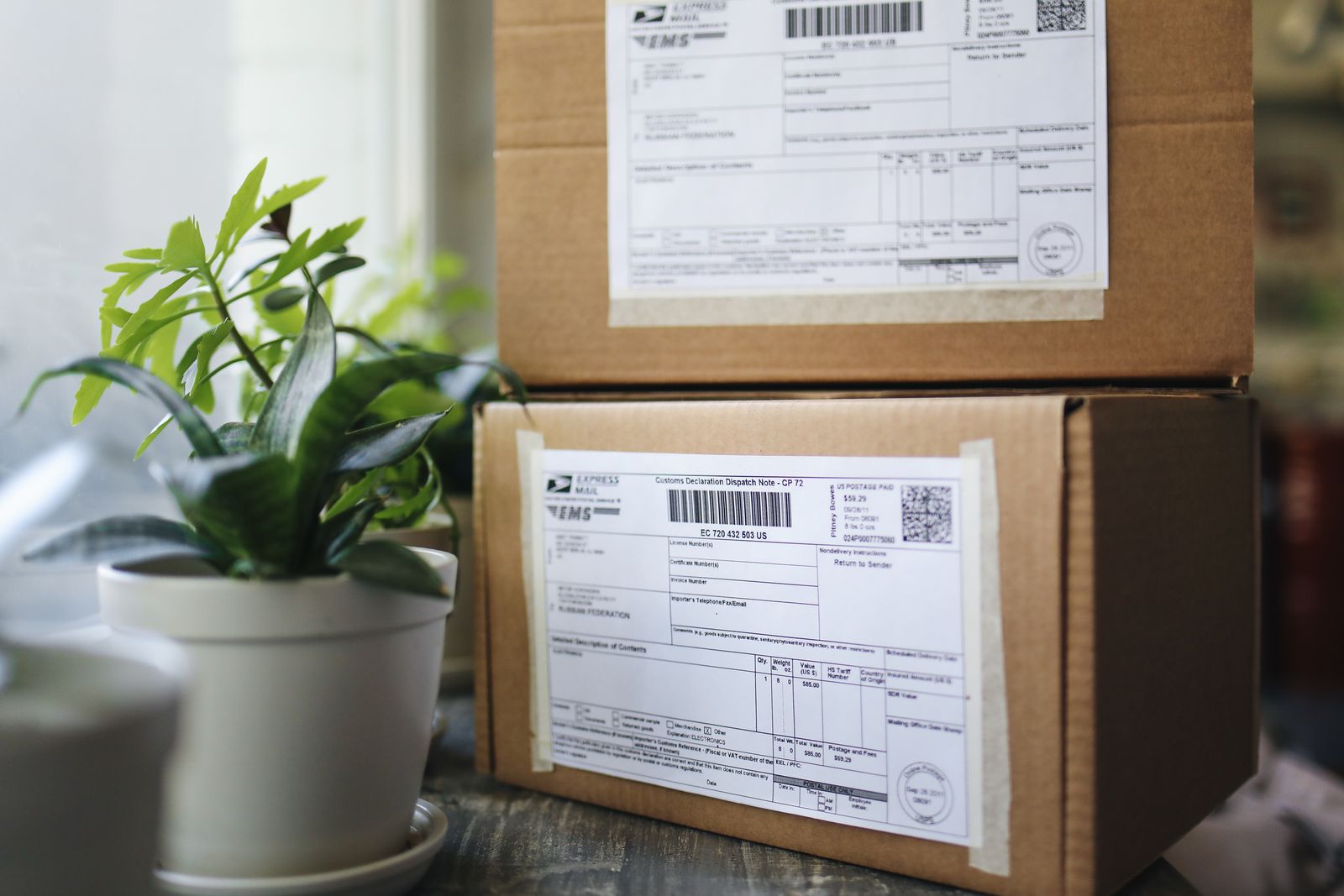
Mailer boxes can support sustainable packaging goals when they are right-sized, recyclable, responsibly sourced, and designed with minimal unnecessary materials. Corrugated paperboard is widely recycled in many US markets, but brands should still be careful with coatings, mixed materials, and vague environmental claims.
The most sustainable mailer box is usually the one that protects the product with the least material and the lowest damage rate. If a lightweight box causes returns, replacements, and extra shipments, it may create more waste overall. Packaging sustainability has to include performance.
| Sustainability Choice | Benefit | Watchout |
|---|---|---|
| Right-sized dimensions | Reduces paper use and shipping inefficiency | Do not make the box so tight that products get damaged |
| Recycled content | Can reduce reliance on virgin fiber | Confirm percentage and certification where needed |
| Kraft finish | Natural look with less ink coverage | Not always the best choice for color-heavy artwork |
| Paper inserts | Can replace some plastic cushioning | Must be engineered to hold products securely |
| Minimal coatings | Can improve recyclability depending on local systems | Uncoated surfaces may scuff more easily |
Brands should also make disposal instructions clear. Simple language like “Flatten and recycle where facilities exist” is more useful than broad claims that may not apply everywhere. If using certifications such as FSC, recycled content labels, or compostability claims, confirm the material and supplier documentation before printing.
Dylign works with brands that want packaging to feel premium without being wasteful. That can mean choosing a smaller mailer, switching to paper-based inserts, reducing ink coverage, or designing a box that customers are more likely to reuse.
Why Brands Choose Dylign
At Dylign, we help ecommerce brands build custom mailer boxes that feel polished without forcing a large production run. You can start with a free custom sample, review dielines and artwork before production, and use complimentary commercial grade product photos for launch pages, ads, and AI mockups while your packaging is still in production. With a minimum order of just 100 units and pricing approximately 30% below industry averages, Dylign makes custom mailer box packaging accessible for growing brands.
Frequently Asked Questions
Are mailer boxes good for shipping?
Yes, mailer boxes are good for shipping many ecommerce products when the board grade, size, and closure style match the product. They are commonly used for apparel, beauty products, accessories, subscription boxes, and gift sets. Fragile or heavy products may need inserts, stronger corrugated board, or extra testing.
Do mailer boxes need tape?
Many mailer boxes have self-locking tuck tabs and can close without tape for lightweight shipments. However, tape, adhesive strips, or security seals may be recommended for heavier items, high-value orders, long-distance shipping, or carrier requirements.
What is the difference between a mailer box and a shipping box?
A mailer box is usually a self-locking corrugated box designed for ecommerce delivery and branded unboxing. A shipping box is a broader category of outer carton used for transportation, warehousing, and logistics. Shipping boxes are often more utilitarian, while mailer boxes are more presentation-focused.
What products should not go in a mailer box?
Very heavy, oversized, sharp, liquid-heavy, or highly fragile products may not be suitable for a standard mailer box by itself. These products may need reinforced corrugated board, molded pulp, dividers, foam-free inserts, leak protection, or a stronger outer shipping carton.
What size mailer box should I use?
Use a mailer box that fits the product plus any inserts, tissue, cards, or cushioning with minimal empty space. Measure the packed product, not just the item itself. A good fit reduces movement, improves presentation, and can help control shipping costs.
Can mailer boxes be custom printed inside and outside?
Yes, mailer boxes can be printed on the outside, inside, or both. Exterior printing supports brand recognition on arrival, while interior printing creates a stronger unboxing moment. The best option depends on budget, artwork, order quantity, and the role packaging plays in your customer experience.
Are kraft mailer boxes eco-friendly?
Kraft mailer boxes can be a good sustainable packaging option when they are recyclable, right-sized, and made with responsibly sourced or recycled materials. However, eco-friendliness depends on the full material specification, print coverage, coatings, inserts, and local recycling access.
How much do custom mailer boxes cost?
Custom mailer box pricing varies by size, material, print method, quantity, finish, and structural complexity. A simple one-color kraft mailer costs less than a full-color mailer with inside printing and custom inserts. For accurate pricing, brands should provide box dimensions, product weight, artwork goals, and order quantity.