

Mailer Boxes vs Shipping Boxes: Which Packaging Is Better for Your Brand?
Table of Contents
- Quick Comparison
- What Is a Mailer Box?
- What Is a Shipping Box?
- Key Differences Between mailer boxes and Shipping Boxes
- Protection: Which Box Keeps Products Safer?
- Cost: Which Packaging Option Is More Affordable?
- Branding and Unboxing Experience
- Sustainability and Material Efficiency
- Fulfillment Speed and Warehouse Efficiency
- Best Use Cases for Mailer Boxes
- Best Use Cases for Shipping Boxes
- Decision Matrix: Which Box Should Your Brand Choose?
- Can You Use Both Mailer Boxes and Shipping Boxes?
- Frequently Asked Questions
Quick Take
For most ecommerce brands, the choice between mailer boxes vs shipping boxes comes down to product size, fragility, order mix, and the experience you want customers to have. Mailer boxes are better for branded unboxing and lightweight products, while shipping boxes are better for heavier, bulkier, or more fragile orders that need stronger transit protection.
Quick Comparison

mailer boxes vs shipping boxes is not a question of which box is universally better. It is a question of which packaging structure matches the way your product travels, how your customer receives it, and how much branding value you need from the package itself.
A mailer box is usually a self-locking corrugated box with a tuck-in lid. It is commonly used for subscription boxes, cosmetics, apparel, accessories, candles, small electronics, and premium ecommerce kits. A shipping box, often called a regular slotted container or RSC box, is a more traditional corrugated carton sealed with tape. It is designed for stronger logistics performance, larger products, multi-item orders, and heavier shipments.
| Factor | Mailer Box | Shipping Box |
|---|---|---|
| Best for | Small to medium ecommerce products, kits, gifts, subscriptions | Large, heavy, fragile, or multi-item shipments |
| Branding potential | Excellent; inside and outside surfaces can be designed | Good; usually exterior branding only unless custom printed inside |
| Protection level | Good for lightweight products with proper inserts | Better for heavy products, stacking, and rough carrier handling |
| Assembly | Self-locking, usually no tape required | Requires tape or adhesive sealing |
| Typical cost | Higher per unit for comparable size due to die-cut structure | Lower per unit for standard sizes and bulk orders |
| Unboxing experience | Premium and presentation-focused | Functional and logistics-focused |
| Storage efficiency | Ships and stores flat, but die-cut shapes may take more board | Ships and stores flat; very efficient for standard dimensions |
If your product is part of the customer experience, choose a mailer box. If the package’s main job is to survive shipping stress at the lowest practical cost, choose a shipping box. Many growing brands eventually use both: mailer boxes for hero products and branded kits, shipping boxes for bulk orders, wholesale, refills, or heavy SKUs.
What Is a Mailer Box?
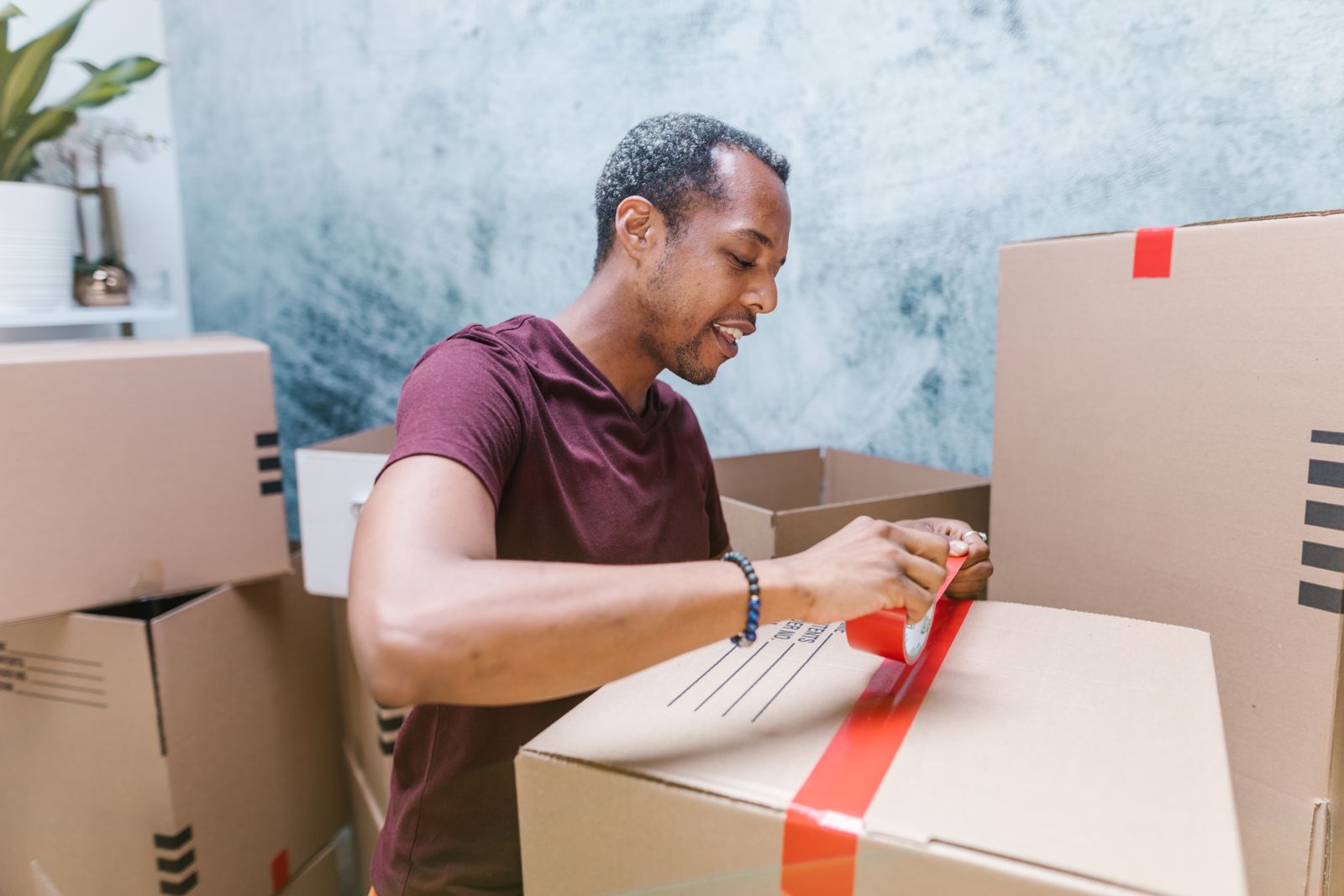
A mailer box is a corrugated packaging box with a self-locking lid, side wings, and a presentation-style opening. It is usually made from E-flute, B-flute, or a micro-flute corrugated board, depending on the product weight and desired finish.
Unlike a traditional carton, a mailer box does not usually require tape to close. The flaps fold into the box body, creating a secure structure that looks polished when opened. This is why mailer boxes are common in direct-to-consumer packaging, subscription packaging, influencer kits, cosmetics packaging, wellness products, apparel accessories, and premium sample boxes.
Mailer boxes are especially strong from a branding perspective because they offer multiple printable surfaces. The outer lid can introduce the brand. The inner lid can carry a message, campaign line, QR code, care instructions, or reorder prompt. The base can hold the product with tissue paper, molded pulp, paper inserts, or custom dividers.
Common mailer box materials include white corrugated board, kraft corrugated board, coated corrugated board, and specialty papers laminated to corrugated stock. For most ecommerce products, E-flute is a popular choice because it has a fine profile that prints cleanly while still providing cushioning. B-flute and C-flute offer more strength but can look more industrial depending on the finish.
Brands often choose mailer boxes when the package must do two jobs at once: protect the product and act as a brand touchpoint. If a customer is likely to share the unboxing, keep the package, gift the product, or judge quality from presentation, the mailer box format can be worth the higher unit cost.
What Is a Shipping Box?
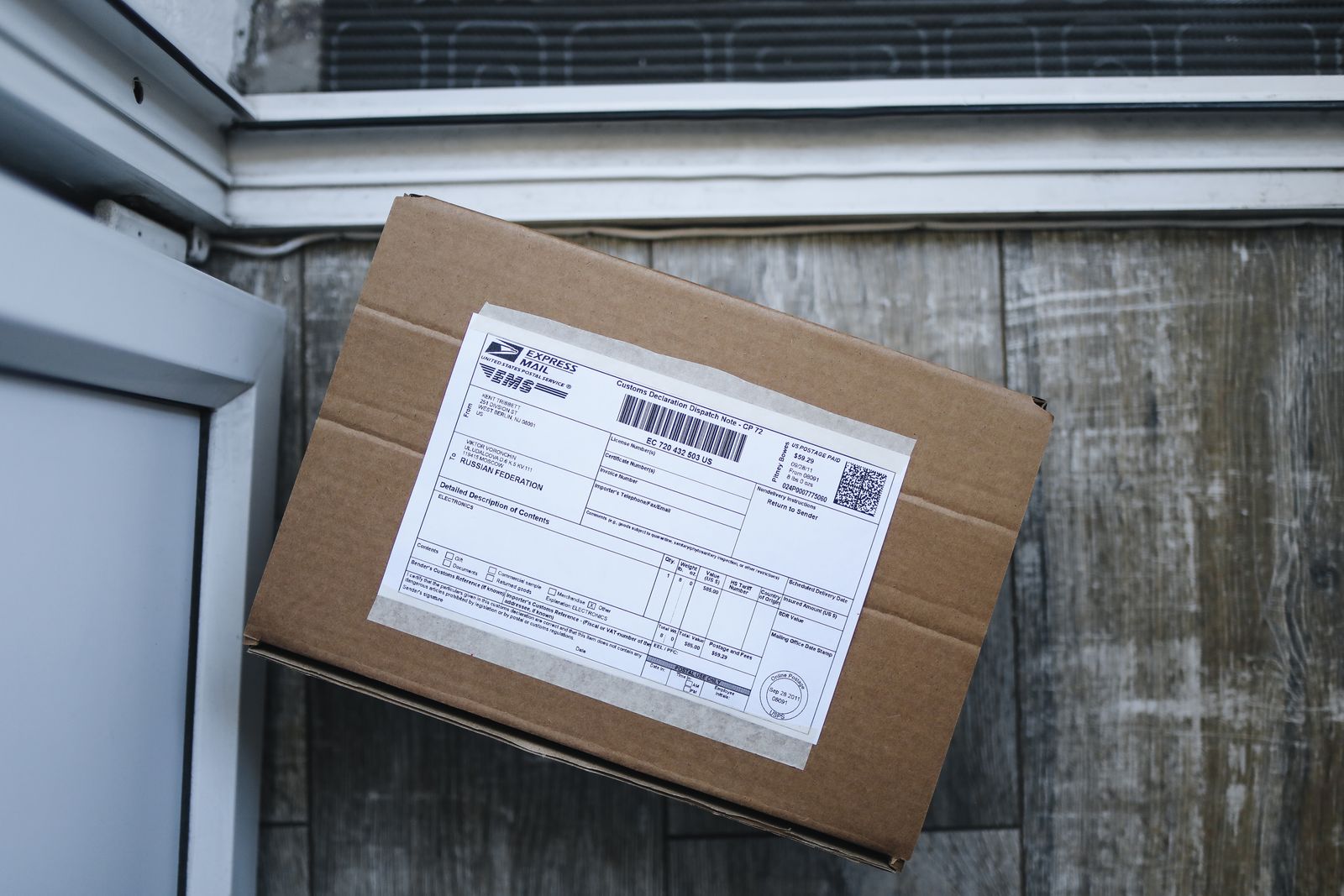
A shipping box is a corrugated carton designed primarily for transportation, protection, stacking, and cost-efficient fulfillment. The most common style is the regular slotted container, often abbreviated as RSC. It has four top flaps, four bottom flaps, and is sealed with packing tape, water-activated tape, staples, glue, or another closure method.
Shipping boxes are the workhorse of ecommerce logistics. They are used for heavy goods, household products, electronics, food and beverage shipments, wholesale orders, multi-pack bundles, and products that require void fill or protective cushioning. If a package will face long transit distances, warehouse stacking, conveyor systems, cross-docking, or parcel carrier drops, a shipping box is often the safer structure.
The major advantage of shipping boxes is structural flexibility. You can choose single-wall, double-wall, or triple-wall corrugated board depending on the load. You can also vary the flute profile, board grade, burst strength, edge crush test rating, and internal packaging. For example, a lightweight apparel order might ship in a 32 ECT single-wall carton, while a heavy equipment component may require double-wall board and engineered inserts.
Shipping boxes can still be branded. Brands can print logos, handling icons, repeat patterns, seasonal campaigns, and sustainability messages directly on the outside. Water-activated tape can also become a branded sealing element. However, the opening experience is usually more utilitarian than a mailer box because the customer cuts or peels tape before opening the flaps.
For brands scaling volume, shipping boxes can be easier to standardize across product lines. Standard carton sizes are widely available, and custom printed versions can be produced economically at higher quantities. This makes them practical for warehouses, 3PLs, retailers, and brands with varied order profiles.
Key Differences Between Mailer Boxes and Shipping Boxes
The key differences between mailer boxes and shipping boxes are structure, closure, strength, branding surface, fulfillment workflow, and cost. A mailer box is presentation-driven. A shipping box is transit-driven. Both are corrugated packaging, but they solve different operational problems.
| Difference | Why It Matters | Winner |
|---|---|---|
| Closure style | Mailer boxes fold and lock; shipping boxes need tape or adhesive. | Mailer box for clean presentation; shipping box for secure sealing |
| Transit strength | Shipping boxes can be specified with stronger board grades and double-wall construction. | Shipping box |
| Print area | Mailer boxes create a more intentional inside-and-outside brand moment. | Mailer box |
| Unit economics | Standard shipping boxes usually cost less, especially for commodity sizes. | Shipping box |
| Dimensional weight | Either can be efficient if properly sized, but oversized mailers can increase postage. | Depends on sizing |
| Warehouse workflow | Shipping boxes are familiar to most 3PLs and easier for mixed orders. | Shipping box |
| Customer perception | Mailer boxes feel more giftable and brand-led. | Mailer box |
The biggest mistake is choosing based only on appearance. A beautiful mailer box that crushes in transit damages both the product and the brand. A very strong shipping box that feels generic may protect the product but miss a chance to build loyalty. Good packaging starts with product risk, then balances cost, fulfillment, and brand experience.
Dylign often approaches this decision by mapping product weight, fragility, ship method, and desired customer impression before recommending a structure. That prevents brands from overpaying for packaging that does not improve the customer experience, or under-specifying a box that creates avoidable damage claims.
Protection: Which Box Keeps Products Safer?
Shipping boxes generally provide better protection for heavy, fragile, oversized, or multi-item shipments. Mailer boxes can protect lightweight products very well, but they are more sensitive to correct sizing, board grade, and insert design.
Protection is not only about the outer box. It is the complete packaging system: outer board strength, internal fit, cushioning, void fill, product orientation, closure method, and carrier environment. A mailer box with a custom insert may outperform a shipping box with empty space and loose products. A double-wall shipping carton with engineered dividers may outperform almost any mailer for heavy or breakable goods.
Mailer boxes are strongest when the product fits tightly and evenly. A candle jar, skincare bottle, jewelry set, T-shirt bundle, supplement pouch, or small electronic accessory can be protected in a mailer box if the package includes the right insert or fill. Paperboard inserts, corrugated dividers, molded pulp trays, and tissue wrap can reduce movement and improve presentation.
Shipping boxes perform better when there is uncertainty: multiple SKUs, variable order quantities, long shipping zones, heavier weights, or products that need cushioning around all sides. They allow more room for protective materials such as honeycomb paper, kraft paper, air pillows, foam alternatives, molded pulp, corner protectors, and dividers.
| Product Situation | Recommended Box | Reason |
|---|---|---|
| One lightweight product under 2 lb | Mailer box | Good fit, strong presentation, less need for heavy cushioning |
| Glass bottle or ceramic item | Shipping box or reinforced mailer | Needs cushioning, drop protection, and movement control |
| Multi-item ecommerce order | Shipping box | More flexible for varied product combinations |
| Subscription kit with curated items | Mailer box | Structured layout improves unboxing and perceived value |
| Wholesale case pack | Shipping box | Better stacking, palletizing, and warehouse handling |
| High-value fragile product | Shipping box with inserts | Outer carton plus engineered protection reduces risk |
If damage rates are already a problem, do not switch to mailer boxes only for aesthetics. First review the product’s drop risk, box crush strength, void space, and carrier route. Then decide whether a mailer box, shipping box, or two-box system makes sense.
Cost: Which Packaging Option Is More Affordable?
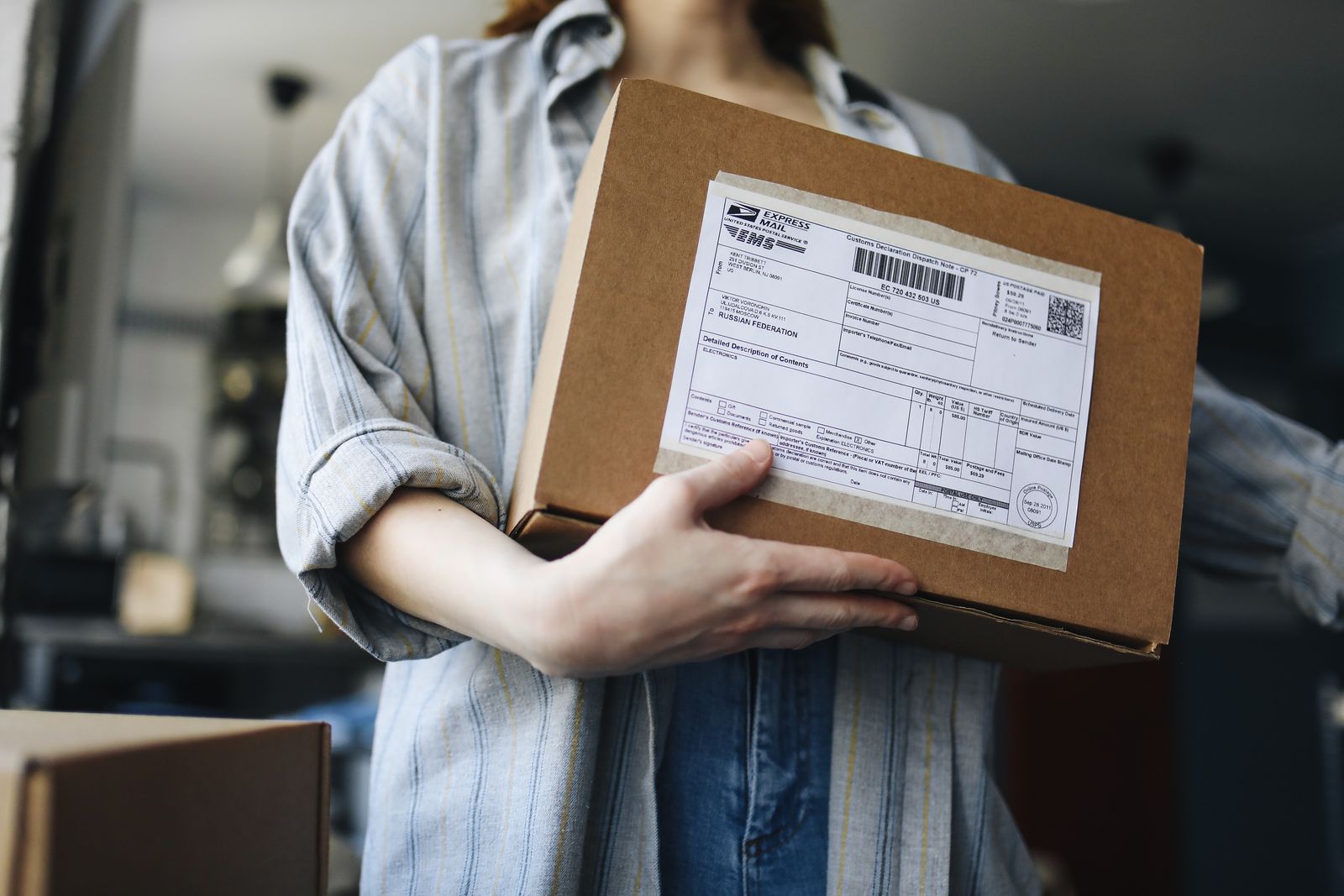
Shipping boxes are usually more affordable per unit, especially in standard sizes and higher volumes. Mailer boxes tend to cost more because they use a die-cut structure, often require more precise converting, and may include higher-quality printing or finishes.
However, unit price is only one part of packaging cost. The real cost includes freight to your warehouse, storage space, assembly labor, tape, inserts, void fill, postage, damage replacements, return rates, and customer perception. A cheaper box that increases breakage or makes the brand feel low-value can be more expensive over time.
Mailer boxes can reduce some secondary costs. Because they are self-locking, they may reduce tape use. Because they look complete without an outer decorative sleeve, they can replace extra branded materials. Because they create a stronger unboxing moment, they may support repeat purchase or social sharing. For subscription brands and premium DTC products, that brand value can matter.
Shipping boxes often win in pure logistics. They are widely available, easy to source, compatible with warehouse equipment, and efficient for mixed orders. If your brand ships hundreds or thousands of varied orders per month, standardizing a few shipping carton sizes can lower operational complexity.
| Cost Component | Mailer Box Impact | Shipping Box Impact |
|---|---|---|
| Box unit cost | Usually higher | Usually lower |
| Printing cost | Higher if full-color inside and outside print is used | Lower for simple one-color exterior print |
| Assembly labor | Fast once staff are trained; no tape for many styles | Fast for standard cartons but requires sealing |
| Postage | Can be efficient if tightly sized; costly if oversized | Efficient when carton sizes match order profiles |
| Damage replacement | Low when product is lightweight and well-fitted | Lower for heavier or fragile products with protection |
| Brand value | High | Moderate unless custom designed |
For budget planning, ask suppliers to quote both the box and the full packing method. A mailer box quote without inserts may look cheaper than the final solution. A shipping box quote without branded tape, void fill, and labels may also be incomplete.
If you are comparing structures for a new launch, Dylign can help build a side-by-side packaging estimate that includes box material, print method, inserts, MOQ, and expected use case. This makes the decision easier than comparing box unit prices alone.
Branding and Unboxing Experience
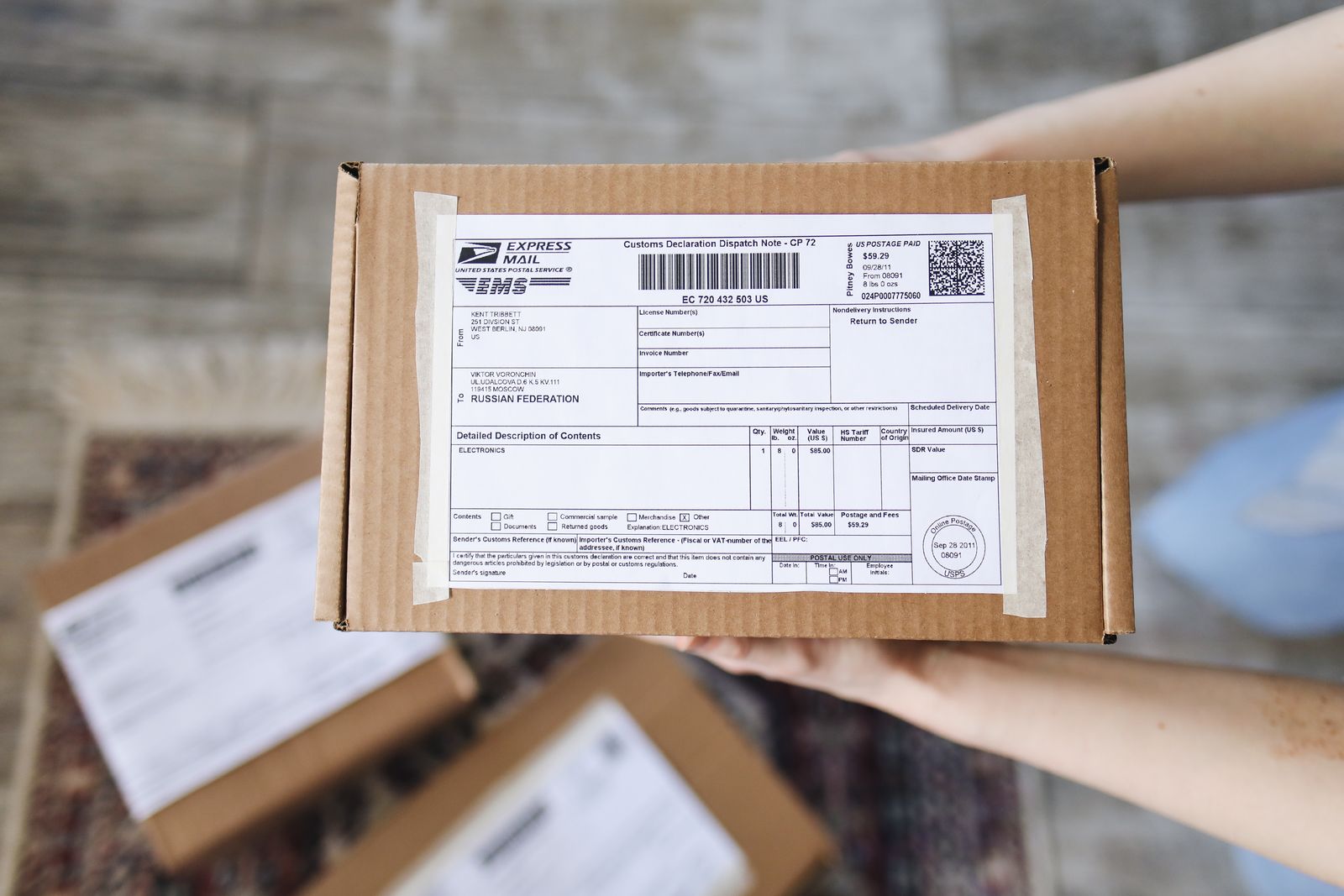
Mailer boxes are usually better for branding and unboxing because the structure opens like a gift. The customer sees the lid, then the inside message, then the arranged product. That sequence creates a controlled brand moment.
For ecommerce brands, packaging is often the first physical interaction a customer has with the company. The website, ads, and emails are digital. The box is tangible. A well-designed mailer box can reinforce premium positioning, ingredient quality, sustainability commitments, founder story, product instructions, or membership identity.
Useful mailer box branding ideas include a printed inner-lid message, reorder QR code, care instructions, referral offer, seasonal artwork, social handle, or product education. The goal is not to cover every surface with graphics. The goal is to make each printed element earn its place.
Shipping boxes can also be branded effectively, but the experience is usually less intimate. A printed shipping carton can improve doorstep recognition and brand recall. Branded tape can turn a plain kraft carton into a recognizable package. Exterior icons and copy can communicate sustainability or handling instructions. For many brands, this is enough.
The best unboxing design depends on what the customer expects. A luxury skincare set in a plain taped carton may feel underwhelming. A replacement filter in an elaborate mailer box may feel wasteful. A premium brand should not always mean more packaging; it should mean more intentional packaging.
Sustainability and Material Efficiency
Neither mailer boxes nor shipping boxes are automatically more sustainable. The better option is the one that uses the right amount of recyclable material, prevents product damage, avoids excessive void fill, and fits efficiently in the parcel network.
Corrugated packaging has a strong sustainability advantage because it is widely recyclable in the US and often contains recycled fiber. Kraft corrugated board, water-based inks, soy-based inks, and right-sized structures can further improve the environmental profile. But sustainability claims should be specific, not vague.
Mailer boxes can reduce extra materials when they replace a product carton plus an outer shipping carton. They can also eliminate plastic mailers for certain products. But if the mailer is oversized, heavily laminated, or filled with unnecessary decorative material, the sustainability benefit weakens.
Shipping boxes can be highly efficient when they use standard sizes, recycled-content corrugated board, paper-based void fill, and right-sized packing rules. They are also easier to reuse in some households because they open like traditional cartons. For larger orders, one properly sized shipping box is usually better than several separate mailer boxes.
The most sustainable packaging decision is usually right-sizing. Reducing empty space lowers material use, dimensional weight, storage requirements, and carrier emissions. This applies to both mailer boxes and shipping boxes.
Brands should also consider coatings and finishes. Gloss lamination, metallic films, plastic windows, and mixed-material embellishments may reduce recyclability. If a premium finish is important, consider recyclable paper stocks, aqueous coating, embossing, debossing, or restrained ink coverage. Dylign can help brands balance premium presentation with practical material choices, especially for custom corrugated and paperboard packaging.
Fulfillment Speed and Warehouse Efficiency
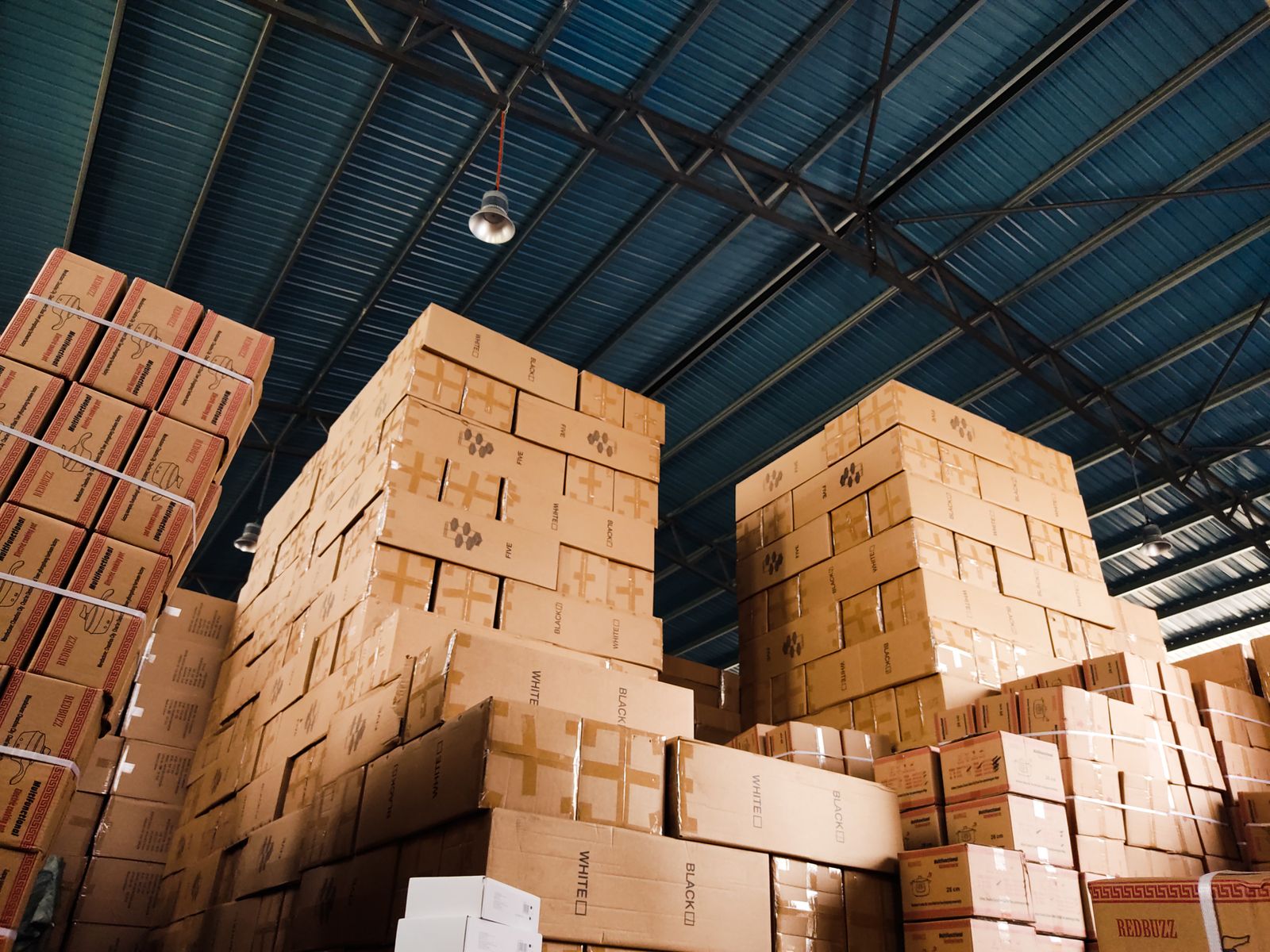
Shipping boxes usually integrate more easily into established fulfillment workflows because warehouse teams, 3PLs, and packing stations are already built around cartons, tape machines, labels, void fill, and standard carton sizes. Mailer boxes can be fast too, but they require the right folding process and product fit.
For small teams, mailer boxes can simplify packing because they fold into shape, receive the product, and lock closed without tape. This is useful for subscription drops, influencer mailers, small-batch launches, and products with predictable dimensions. If every order is the same, a mailer box workflow can be very efficient.
For larger operations, shipping boxes offer flexibility. A warehouse can use a cartonization logic that selects among several box sizes depending on the order. This matters when customers buy different quantities or combinations. Shipping boxes also work better with automated tape machines, case erectors, and conveyor systems.
The wrong mailer box can slow fulfillment. If the folding sequence is confusing, side flaps pop out, or products do not sit correctly, packers lose time. The wrong shipping box can also slow fulfillment if staff must add too much void fill or cut down cartons by hand. Packaging should be tested at the packing table, not only on a design screen.
Before ordering thousands of custom boxes, run a small fulfillment test. Time how long it takes to assemble, pack, seal, label, and stack each option. Then drop test sample shipments and review customer feedback. The best packaging is not just attractive; it works repeatedly under real warehouse pressure.
Best Use Cases for Mailer Boxes
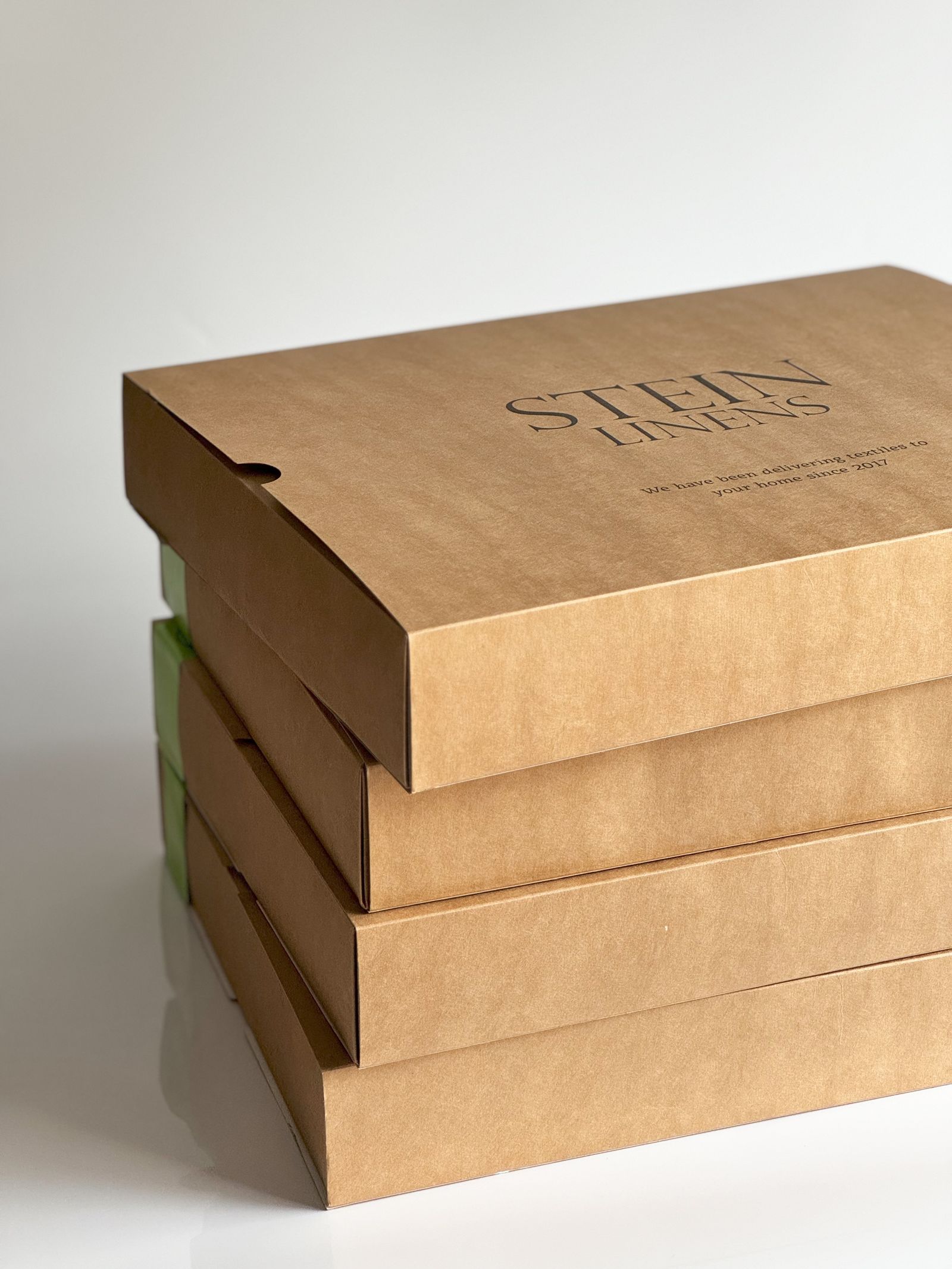
Mailer boxes are best when the package is part of the product experience and the shipment is relatively predictable. They work especially well for direct-to-consumer brands selling compact products that benefit from presentation.
Good use cases include subscription boxes, beauty kits, wellness bundles, jewelry, accessories, apparel sets, candles with inserts, small electronics accessories, stationery, gifting products, launch kits, media mailers, and influencer PR packages. These products often need packaging that looks intentional on camera and feels premium in hand.
Mailer boxes are also strong for brands that want to communicate values quickly. A kraft mailer with minimal black ink can signal natural or sustainable positioning. A white mailer with full-color artwork can feel polished and modern. A bold interior print can create surprise when opened without overcomplicating the exterior.
They are less ideal for very heavy products, loose multi-item orders, products with sharp edges, or fragile items without inserts. If a mailer box bulges, rattles, or needs excessive tape to stay closed, it is probably the wrong structure or wrong size.
Choose a mailer box when you can answer yes to most of these questions: Is the product light enough for the board grade? Can it be held securely with minimal void fill? Does the unboxing experience influence perceived value? Is the order profile consistent? Will the customer notice or appreciate the packaging design?
Best Use Cases for Shipping Boxes
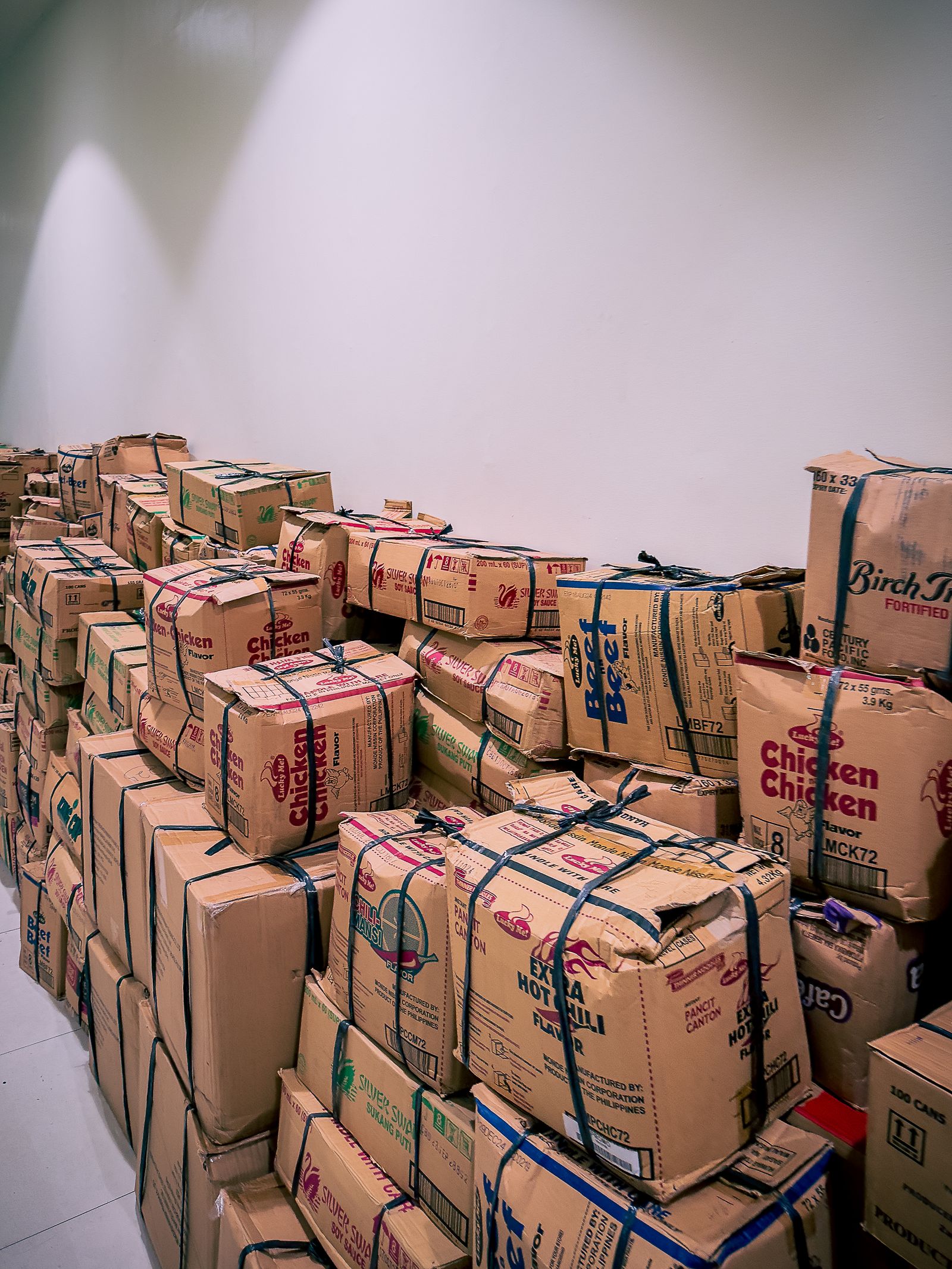
Shipping boxes are best when the shipment needs strength, flexibility, and logistics reliability. They are the safer choice for heavier products, fragile products, larger items, wholesale shipments, and orders with multiple SKUs.
Good use cases include home goods, electronics, glass products, ceramics, food and beverage bundles, large apparel orders, books, hardware, refill packs, retail cartons, bulk ecommerce orders, and B2B shipments. These situations often require stronger corrugated board, cushioning, dividers, or more room for protective material.
Shipping boxes also make sense when the product already has attractive primary packaging. For example, a luxury candle may have a beautiful retail carton, so the outer shipping box only needs to protect it. A premium electronics product may come in a rigid box, so the shipping carton should focus on protection and discreet delivery.
They are less ideal when the outer package is the only brand presentation and the product needs a gift-like reveal. A plain shipping carton may feel generic for subscriptions, premium bundles, or products positioned around delight and discovery. In those cases, a custom printed shipping box or branded tape can help bridge the gap.
Choose a shipping box when you can answer yes to most of these questions: Is the product heavy, fragile, or bulky? Do customers order different quantities? Will the package be stacked or palletized? Does the shipment need void fill or cushioning? Is operational efficiency more important than a presentation-style opening?
Decision Matrix: Which Box Should Your Brand Choose?
The easiest way to decide between mailer boxes vs shipping boxes is to score the package against your product, logistics, and brand priorities. Use the matrix below as a practical starting point.
| Priority | Choose Mailer Box If... | Choose Shipping Box If... |
|---|---|---|
| Product weight | Most shipments are lightweight, often under 2-5 lb depending on board grade | Products are heavier or need stronger corrugated construction |
| Product fragility | Product is durable or can be secured with a fitted insert | Product needs cushioning, dividers, or extra space around all sides |
| Order consistency | Orders are predictable and similar in size | Orders vary by quantity, bundle, or SKU combination |
| Brand experience | Unboxing is a meaningful part of customer perception | Protection and delivery efficiency matter more than reveal |
| Budget | You can justify a higher unit cost through brand value | You need economical packaging at scale |
| Fulfillment | Your team packs repeated orders and can pre-fold or batch assemble boxes | Your warehouse needs standard carton workflows and fast sealing |
| Sustainability | A right-sized mailer can replace extra packaging layers | A right-sized carton can consolidate orders and reduce damage |
If the decision is still close, order prototypes of both. Pack real products, ship test parcels to different zones, photograph the unboxing, and calculate the total landed packaging cost. The better structure will usually become obvious after a few real-world tests.
Need help choosing the right box structure?
Dylign designs custom mailer boxes, shipping boxes, inserts, and branded packaging systems for ecommerce and retail brands. If you are comparing structures, start with your product size, weight, order profile, and desired unboxing experience.
Can You Use Both Mailer Boxes and Shipping Boxes?
Yes. Many brands should use both mailer boxes and shipping boxes. A single packaging structure rarely fits every order as a business grows. The smartest approach is often a packaging system with different boxes for different use cases.
For example, a skincare brand might use a custom mailer box for starter kits, a smaller mailer for single-product orders, and a shipping box for bundles or wholesale cases. A candle brand might use a printed mailer with a molded pulp insert for one candle, but a double-wall shipping box with dividers for four candles. An apparel brand might use mailer boxes for gift sets and shipping boxes for larger seasonal orders.
This hybrid strategy improves both cost control and customer experience. The brand does not overpay for premium mailer boxes on orders where customers will not value them. It also does not risk damage by forcing heavy or fragile shipments into a presentation box that was not designed for the job.
Using both structures also helps with growth. As product lines expand, brands need packaging that can adapt. A core set of box sizes, inserts, and branded elements can cover more scenarios than one custom box. This is where packaging strategy becomes more valuable than simply choosing a design.
If you use both, keep the visual system consistent. Use the same color palette, typography, logo rules, sustainability language, and brand tone across mailer boxes and shipping boxes. Customers should recognize the brand whether they receive a gift-like mailer or a practical shipping carton.
Why Brands Choose Dylign
At Dylign, we help ecommerce brands build custom mailer boxes that feel polished without forcing a large production run. You can start with a free custom sample, review dielines and artwork before production, and use complimentary commercial grade product photos for launch pages, ads, and AI mockups while your packaging is still in production. With a minimum order of just 100 units and pricing approximately 30% below industry averages, Dylign makes custom mailer box packaging accessible for growing brands.
Frequently Asked Questions
Are mailer boxes strong enough for shipping?
Mailer boxes can be strong enough for shipping when they are properly sized, made with the right corrugated board, and used for suitable product weights. They work best for lightweight or moderately weighted products that fit snugly. For heavy, fragile, or loose multi-item orders, a shipping box is usually safer.
Do mailer boxes need an outer shipping box?
Most corrugated mailer boxes are designed to ship on their own, so they do not always need an outer shipping box. However, an outer carton may be useful for fragile products, luxury packaging that must arrive pristine, international shipping, or shipments that require extra protection.
Which is cheaper, a mailer box or a shipping box?
A standard shipping box is usually cheaper per unit than a custom mailer box. Mailer boxes often cost more because of their die-cut structure and branding options. The better comparison is total packaging cost, including inserts, tape, labor, postage, storage, and damage replacement.
Are mailer boxes better for subscription boxes?
Yes, mailer boxes are usually better for subscription boxes because they create a curated opening experience and can display products neatly inside. They also provide useful print areas for instructions, campaign messages, QR codes, and branded storytelling.
Can shipping boxes be custom printed?
Yes, shipping boxes can be custom printed with logos, patterns, handling instructions, sustainability messages, and brand artwork. Many brands use one-color or two-color printing for cost efficiency, while others use branded tape or labels to customize standard cartons.
What is the best box for fragile products?
The best box for fragile products is usually a shipping box with the correct board grade and internal protection, such as dividers, molded pulp, honeycomb paper, or custom inserts. A mailer box can work for fragile items only when the product is lightweight and tightly secured.
Are kraft mailer boxes eco-friendly?
Kraft mailer boxes can be a good sustainable option when they are recyclable, right-sized, and printed with responsible inks. They are not automatically eco-friendly if they are oversized, laminated with plastic film, or paired with excessive filler. Material efficiency matters as much as material type.
How do I choose between mailer boxes and shipping boxes?
Choose based on product weight, fragility, order consistency, fulfillment workflow, budget, and brand experience. If your product is lightweight and unboxing matters, choose a mailer box. If your product is heavy, fragile, or part of variable multi-item orders, choose a shipping box.